Green Wood Burning Tips
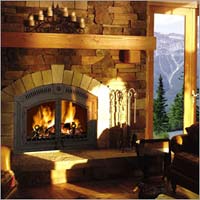
Keep your hearth green!
Here are some wood burning tips to help you get the best from your wood burner or fireplace.
Wood can be one of the most eco-friendly of fuels to use at home but, as with so many things in life, there's more to it than meets the eye.
This article from CSNstores.com gives you some of the best wood burning tips to keep you warm and green!
Sponsored Advertising
Burn Green without Losing Green!
Some eco-friendly wood burning tips
When it comes to staying warm during the cold winter months, nothing beats the soft glow and sharp crackling sounds of a fire in the fireplace. While there are plenty of "woodless" home heating options (space heaters and electric fireplaces, for instance), a real wood-burning fire just feels cozier. Here's the dilemma - critics say that wood burning isn't very eco-friendly. While this is true to a degree, there are some other things you need to take into account.
Burning wood doesn't significantly contribute to global warming - that's mostly all caused by burning fossil fuels, which release CO2 into the atmosphere.
By burning wood, you're actually speeding up the release of CO2 captured in trees, which would otherwise be released when the tree dies or rots away. Clear-cutting and burning forests down, however does contribute to global warming.
Burning wood also contributes to air pollution, which could be potentially harmful for everyone. Any smoke that escapes from your wood-burning stove or fireplace unburned is wasted fuel that sticks to your chimney as creosote or is released as air pollution.
While there are negatives associated with burning wood, if you make sure and follow some guidelines, the negative impact you have on the environment can be greatly reduced.
Consider these green wood burning tips to get the most from your fuel.
Sponsored links
Buy local
It's a good idea to buy local wood whenever possible.
Local wood harvested by the owner of a wood lot has a clear investment in sustainably producing wood from his land. Essentially, he's going to keep planting trees to stay in business.
Burn the right woods
Choosing the right kind of wood to burn is essential in heating your home in a more eco-friendly way. It's generally acceptable to burn wood that has been dried for at least 6 months.
Additionally, it's preferable that you burn hardwoods over softwoods. The resins found in softwood can increase the amount of smoke and air pollution released by your fire.
You should also make sure that your wood is coming from a dense species of tree - oak or hickory, for instance. Wood from these trees burns hotter so this is a more efficient use of the tree.
Upgrade your wood burning appliances
An old or poorly installed wood stove or fire place insert can result in higher maintenance costs, greater risk of smoke in your home, not to mention more environmental pollution.
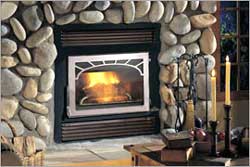
Before it gets too cold, make sure that you have a properly installed EPA certified wood stove or fireplace insert. These not only burn wood efficiently and safely but they also release less smoke! With a properly installed EPA-certified wood burning appliance, you should only see a thin wisp of smoke coming from your chimney.
To ensure that your appliance is installed correctly, it's probably best to hire a licensed professional. While this might cost you more up-front, the long term benefit is the security of knowing it was installed right. An EPA-certified wood burning stove that is sized and placed correctly, complete with a venting system that delivers adequate draft will not only reduce wood consumption, and reduce maintenance - it also will produce more usable heat. These stoves also produce about 90 percent less air pollution and are at least 30 percent more efficient than older stoves.
Napoleon, a leading manufacturer of wood and gas fireplaces, stoves and inserts makes a great line of EPA-certified stoves for you to consider. The 1100CX, for example is super stylish with its cast iron frame and it is EPA-certified!
Make sure that whoever installs your wood burning stove is certified by the Wood Heating Education and Research Foundation, a non-profit group affiliated with the Wood Heating Alliance.*
* Please note these are US organisations. Many other countries will have similar bodies that certify appliances.
Advertisements
Insulate your home
Make sure that your home is insulated. Whether this means installing new, more efficient windows, or purchasing DIY weather-proofing kits - make sure your home is as insulated as it can be. You don't want any precious BTUs (British Thermal Units) escaping! That's like watching money fly out the window.
By following these guidelines, you can enjoy the character that a traditional wood-burning stove or fireplace insert brings to a room. From the fragrant smell to the soothing crackle of the flames, you're winter will be that much safer - and greener!
Article on wood burning tips with thanks to CSNstores.com
*****
Sponsored links
Green Wood Burning - top of page
Frugal Living - Living Well on Less
Greenfootsteps Home - for more easy green living ideas
| Tweet |
 Subscribe to the blog


| Tweet |

Other pages you may also be interested in:
A cheap wood burning stove for inexpensive home heating
Home energy saving devices for a greener home
Reduce your fuel bills and live in an energy efficient home
Energy saving tips to help keep the bills down
Advertisements
Footprints
- an occasional e-zine from Greenfootsteps
If you would like to receive the e-zine, please just sign up below.

New! Comments
Have your say about what you just read! Leave me a comment in the box below.